Matching glazing to your home
Frames get most of the attention, but the glass does most of the work. Choosing double glazing well means matching the right glazing to each part of your home — the road-facing bedroom, the sun-trap kitchen, the north-facing lounge. Get it right and you gain warmth, quiet and lower running costs; get it wrong and you pay for performance you do not need or miss the benefit you do. Here is how the choices break down.
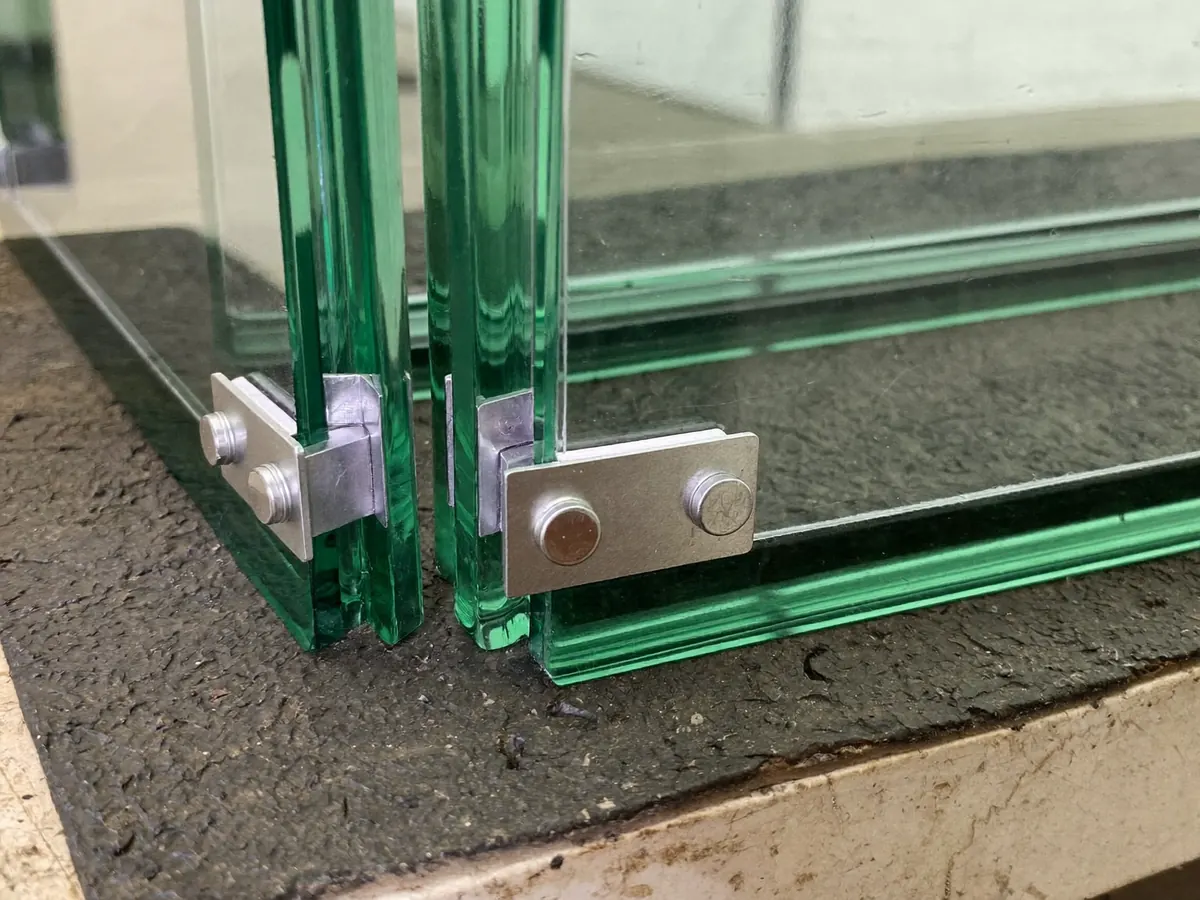
Start with the energy rating
Modern replacement windows carry a Window Energy Rating, typically from A++ down the scale, that summarises how well the whole window retains heat. According to the Energy Saving Trust, replacing older single glazing with efficient double glazing can noticeably cut heat loss and draughts across a home. A good sealed unit combines two panes, an insulating gas fill and a low-emissivity coating that reflects warmth back into the room. For most homes, a high-rated A-grade double glazed unit is the sensible baseline.
Want glazing advice tailored to your rooms? Get matched with local installers.
Get matched with local installers →Match the glass to the room
Different rooms have different priorities. On a busy road, acoustic glass with a thicker or laminated pane can take the edge off traffic noise in bedrooms and living rooms. Large south-facing windows may benefit from a solar-control coating to reduce overheating in summer. Ground-floor and accessible windows can be upgraded to toughened or laminated safety glass for security and peace of mind. You do not have to specify the same glass throughout — a good installer will tailor it room by room. When you compare quotes, make sure each one lists the glass spec, as covered in our guide to getting like-for-like quotes.
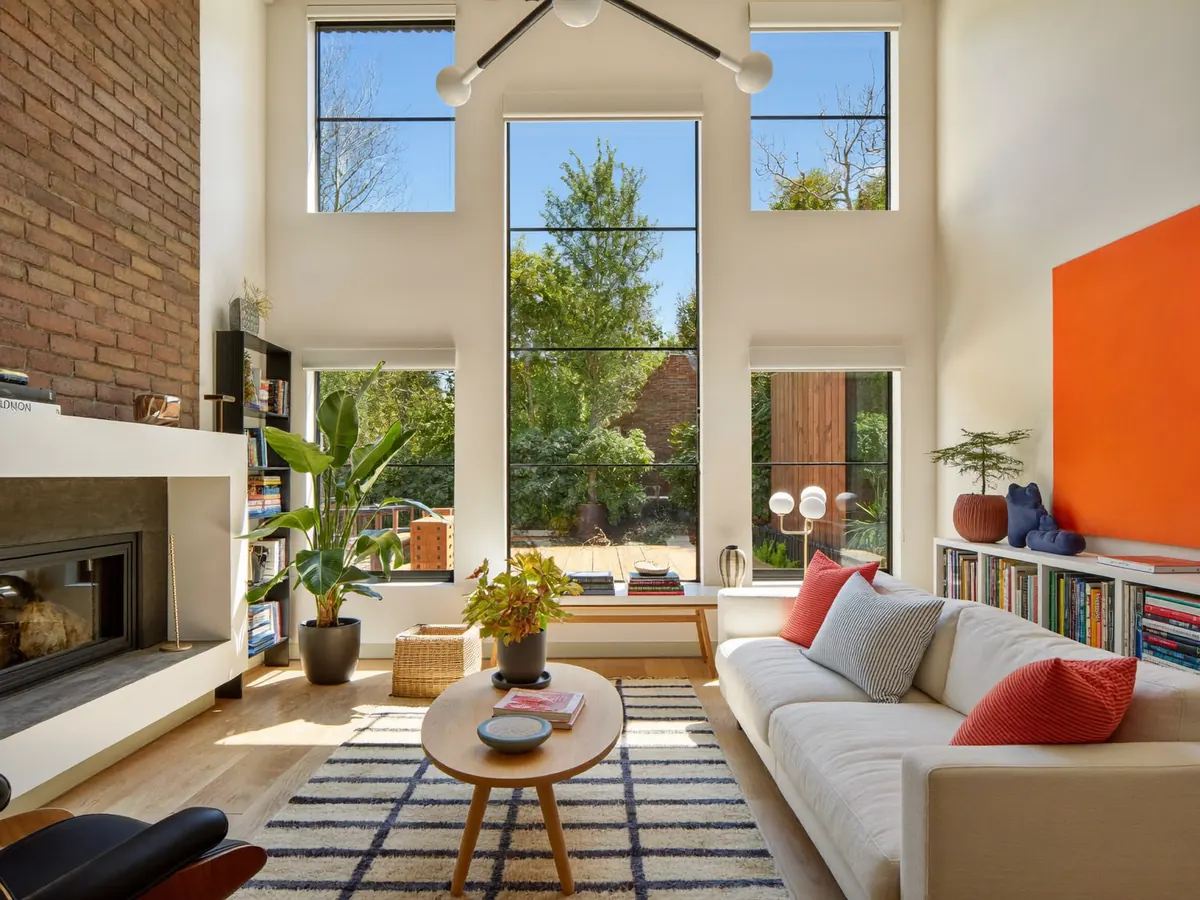
Is triple glazing worth it?
Triple glazing adds a third pane and can improve insulation and noise reduction further, and it comes into its own in very exposed locations or highly energy-efficient homes. For a typical UK house already moving to good double glazing, the extra benefit can be modest relative to the cost. It is worth asking installers to quote it as an option so you can weigh the difference for your own home. To be sure a quote captures the full specification, see how getting the right window spec quoted works.
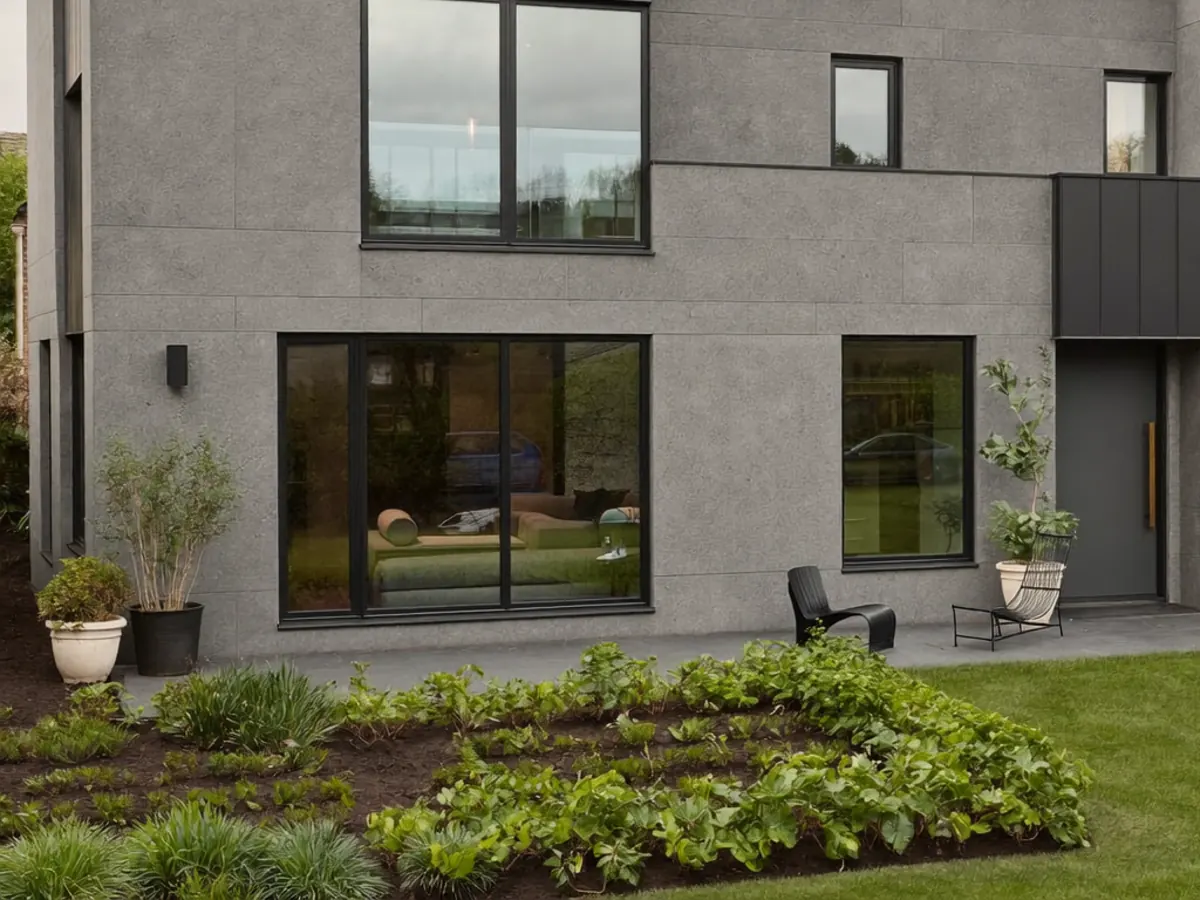
Small details that make a difference
Beyond the number of panes, a few details quietly shape how well your glazing performs. The spacer bar around the edge of each sealed unit can be a “warm edge” type that reduces heat loss and helps prevent the cold-edge condensation you sometimes see on cheaper units. The gas fill between panes — commonly argon — improves insulation over plain air. And good installation matters as much as the glass itself: even the best sealed unit underperforms if the frame is poorly fitted or inadequately sealed. When you compare quotes, ask installers to spell out the spacer type, the gas fill and the unit guarantee, so you know exactly what you are paying for rather than assuming all double glazing is the same.
Answer a few questions and we will match you with installers who can spec your glazing.
Match me with installers →