Casement vs sash windows: which suits you?
Once you have settled on a frame material, the next decision is style. In UK homes the two classics are the casement and the sash. Both can be made in uPVC, aluminium or timber, and both can be beautiful — but they open differently, cost differently and suit different properties. Knowing which is right for your home makes for a clearer brief and quotes that compare properly.
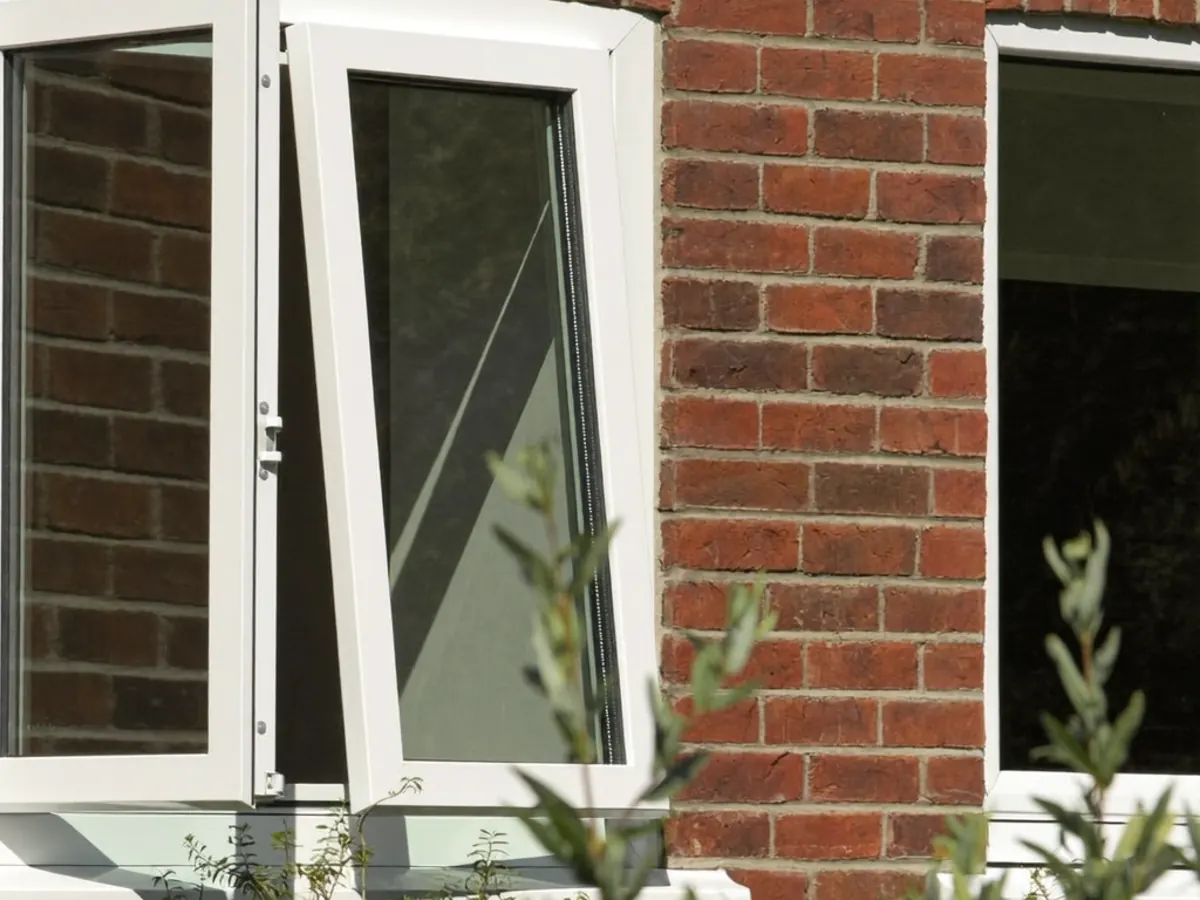
Casement windows: versatile and efficient
A casement is hinged at the side or top and opens outward like a door. It is the most common window in the UK, and it is easy to see why: casements are relatively affordable, seal tightly for good energy efficiency, and open wide for ventilation and cleaning. They suit almost any home, from new-builds to countryside cottages, and work well in every frame material. If you want simplicity and value, the casement is usually the default.
Decided on a style, or still weighing it up? Get matched with installers who fit both.
Get matched with local installers →Sash windows: heritage character
A sash window slides vertically, with one or two panels moving in a frame — the classic look of Georgian, Victorian and Edwardian homes. Sashes bring authentic period character that a casement cannot replicate, and modern versions add draught-proofing and double glazing while keeping the traditional appearance. They cost more than casements and the sliding mechanism needs occasional care, but in a period property or conservation area they are often the only style that looks right. For the material side of the decision, revisit uPVC vs aluminium vs timber.
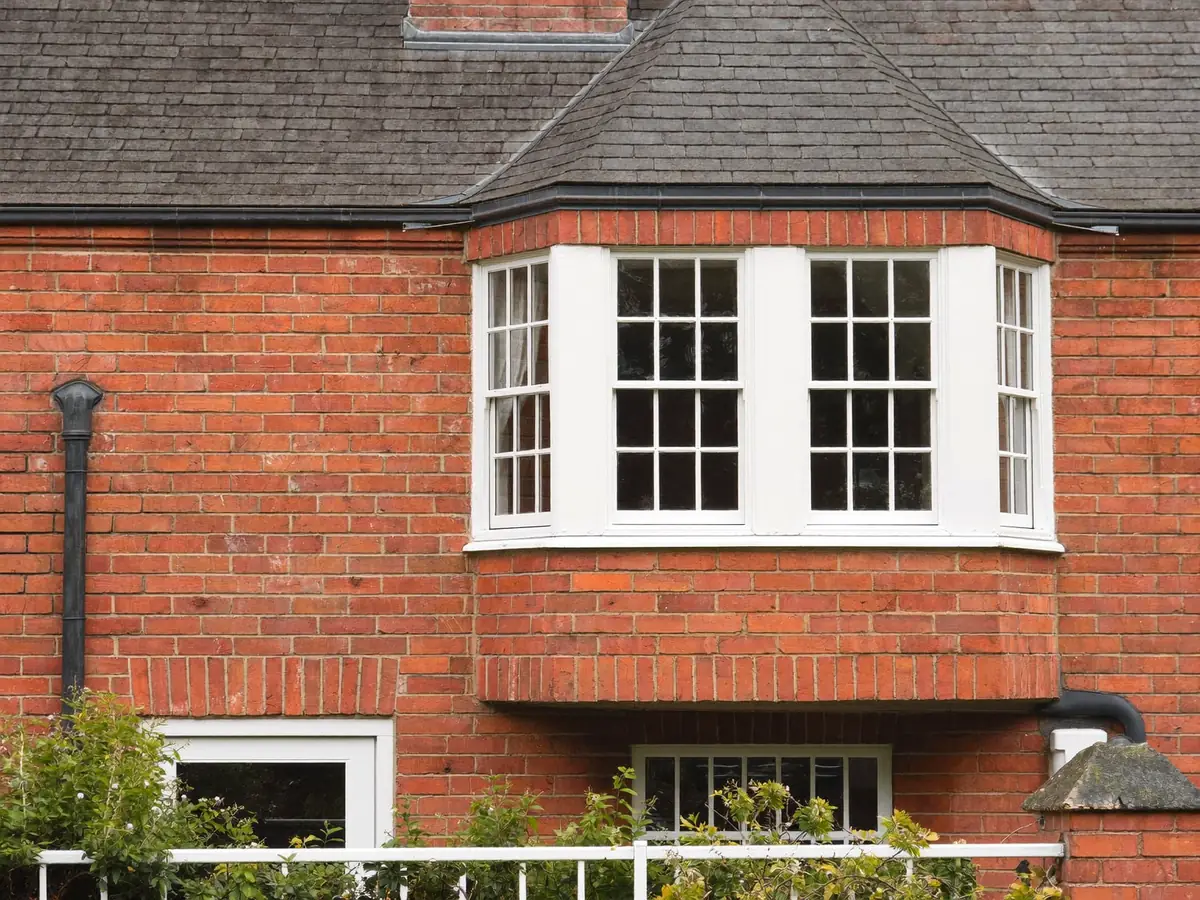
Which suits your home?
Start with the property. If the house was built with sashes and sits in a conservation area, a like-for-like sash replacement usually protects both the look and the value. If style is open and budget or efficiency lead, casements are hard to beat. Many homes end up mixing the two — sashes to the front elevation for kerb appeal, casements to the rear for practicality. A good installer will help you weigh it up during the survey. To picture the wider journey, read the window quote process step by step.
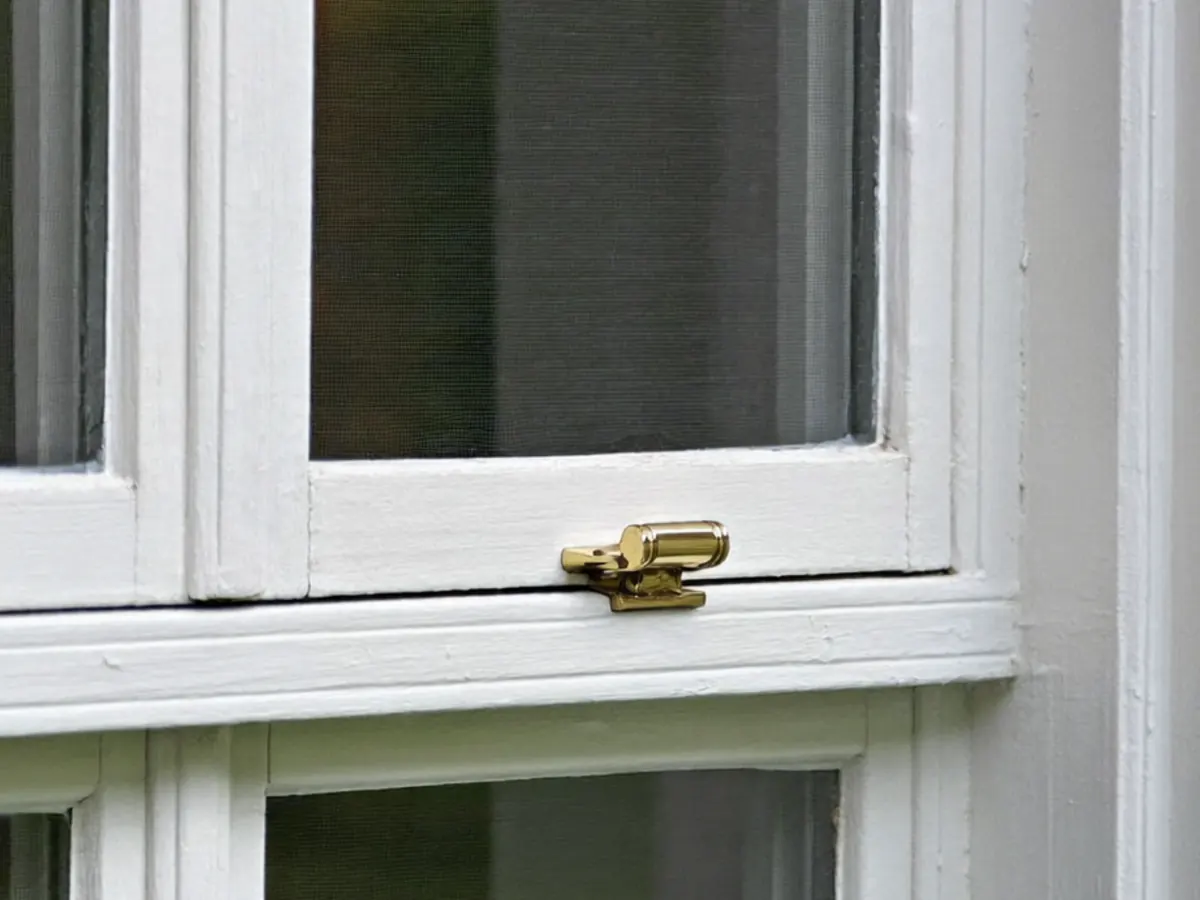
Don’t forget security and other styles
Whichever style you lean towards, ask about security and operation. Modern casements and sashes both offer multi-point locking and can meet recognised security standards, but it is worth confirming on the quote rather than assuming. Consider the practicalities too: casements open wide for cleaning from inside, while traditional sashes may need care to reach the outer pane on upper floors, though many modern sashes tilt in for cleaning. And remember these two are not the only options — tilt-and-turn windows, popular across Europe, combine a tilting vent for secure ventilation with a full inward swing, and can be a smart choice for flats or hard-to-reach openings. A good installer will happily talk you through the alternatives during the survey.
Answer a few questions and we will match you with installers for your chosen style.
Match me with installers →